In heavy manufacturing plants, large-scale commercial facilities, and automated control rooms, managing complex electrical networks requires more than standard wall conduits. When hundreds of high-voltage and control lines run parallel across facility floors or overhead ceilings, structural organization and physical protection are vital to preventing downtime.
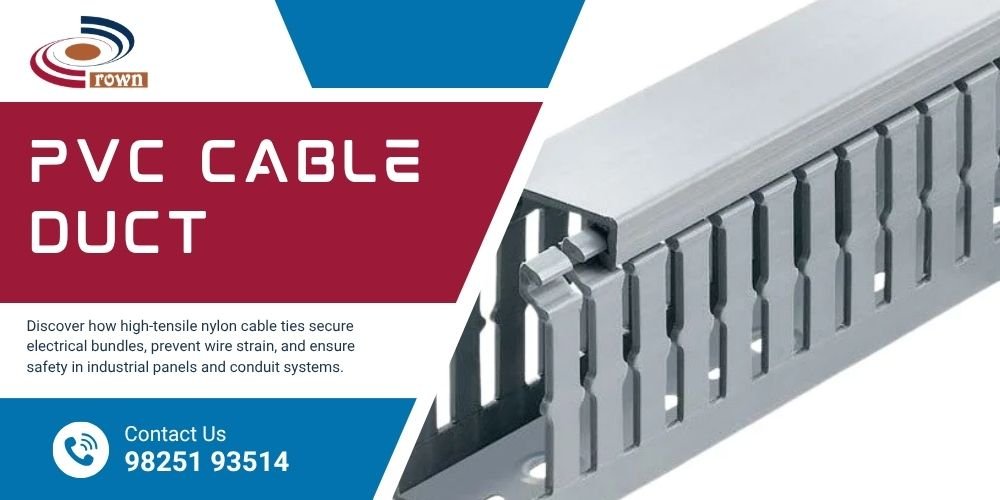
This is where heavy-duty PVC duct systems play an indispensable role. Designed to handle high-density wiring configurations, PVC ducts offer a streamlined, rigid pathway that keeps heavy cable clusters secure, accessible, and completely shielded from environmental hazards.
Why PVC Ducts Are Essential for Industrial Environments
Unlike residential setups, industrial facilities deal with intense operational stresses, machinery vibration, and strict safety regulations. Implementing a structured ducting system delivers key engineering benefits:
- High-Density Wire Management: Ducts provide wide, open-channel layouts that allow technicians to route dozens of cables parallel to one another without overcrowding.
- Enhanced Physical Protection: Robust polymer walls shield delicate control cables and power lines from accidental impacts, falling debris, and chemical exposure common on factory floors.
- Simplified Maintenance and Scalability: When plant upgrades require adding new circuits, snap-on duct covers allow maintenance teams to access, inspect, and expand wiring layouts quickly without tearing down walls or pulling new conduits from scratch.
To explore how surface-level routing and protective accessories integrate across different facility zones, refer to our detailed guide on The Complete Guide to PVC Casing Capping for Safe and Neat Surface Wiring.
Matching Ducts with Complementary Cable Accessories
A high-performance wire routing system relies on a synchronized ecosystem of components to maintain total structural integrity:
- Securing Internal Bundles: Even within a structured duct, loose lines can shift and create tension. Using high-tensile Nylon Cable Ties keeps individual wire groupings neatly organized, a process we examine closely in Why High-Tensile Nylon Cable Ties Are Essential for Industrial Wiring Systems.
- Maintaining Joint and Junction Security: Ensuring that transitions between ducts, panels, and conduits remain sealed against dust and moisture requires heavy-duty Electrical PVC Pipe Fittings & Cable Accessories.
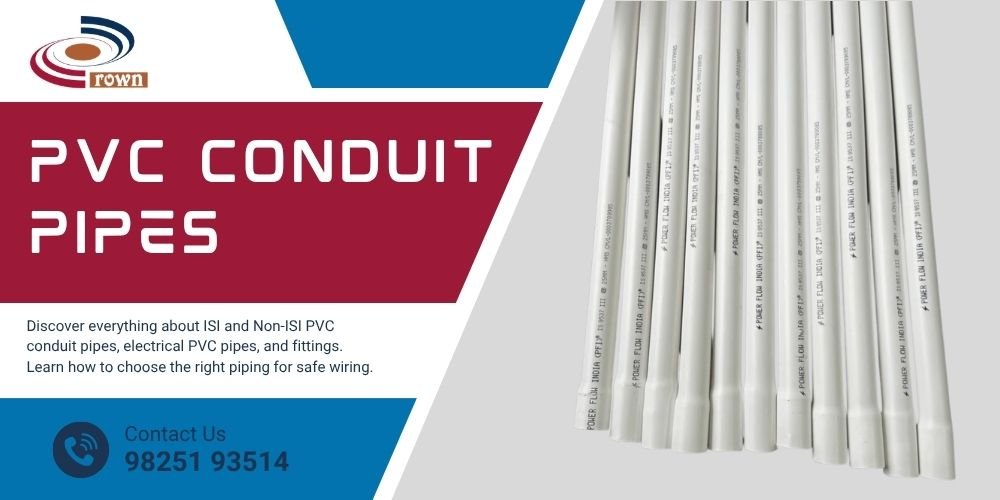
- Ensuring Regulatory Compliance: For high-scale industrial developments where material strength and flame retardancy are legally mandated, utilizing certified infrastructure is paramount, as detailed in our analysis on ISI vs. Non-ISI PVC Conduit Pipes: Choosing the Right Standard for Industrial Safety.
Best Practices for Installing Industrial PVC Ducts
- Calculate Fill Capacity: Never pack a duct past its recommended threshold. Overfilling traps thermal heat generated by active electrical currents, which can degrade insulation over time.
- Secure Mounting Surfaces: Use heavy-duty wall anchors and space mounting screws evenly along the duct base to prevent sagging or twisting under heavy cable weight.
- Clean Cut Transitions: Ensure all duct cuts are clean and deburred before snapping on covers to prevent sharp edges from slicing cable jackets during routine vibrations.
Conclusion
Efficient power distribution and signal routing form the backbone of modern industrial productivity. By integrating rigid, high-capacity PVC duct systems into your facility design, you eliminate wire clutter, protect critical circuits, and ensure long-term operational safety.
Ready to secure your next project with certified materials?
Explore our comprehensive range of ISI and Non-ISI PVC Conduit Pipes and Industrial Accessories to discover high-durability solutions engineered for professional contractors. Contact our team today for bulk commercial orders and custom specifications.