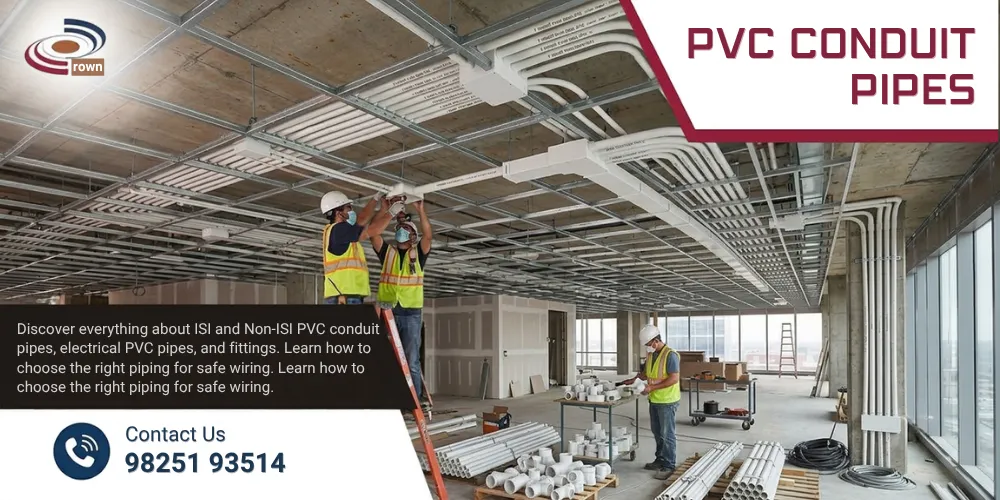
Designing electrical infrastructure for multi-story commercial real estate, corporate offices, and shopping complexes presents complex engineering challenges. Unlike small residential setups, commercial buildings handle heavy electrical loads continuously while housing high concentrations of people and sensitive electronics.
To prevent catastrophic electrical fires, equipment downtime, and costly maintenance retrofits, architects and MEP (Mechanical, Electrical, and Plumbing) contractors require uncompromising standards for cable enclosure systems. As a leading manufacturer, supplier, and exporter, Crown Industries produces heavy-duty polymer containment solutions built to exceed modern commercial building safety codes.
Key Priorities for Commercial Electrical Infrastructure
In commercial developments, electrical containment systems must fulfill three fundamental requirements:
- Flame Retardancy: In the event of a short circuit, conduit materials must self-extinguish quickly without emitting toxic, high-density smoke that obstructs emergency exits.
- High Compression & Impact Resistance: Conduits cast inside heavy concrete floor slabs must withstand immense physical pressure and structural shifting without cracking or collapsing.
- Ease of Upgrades: Commercial tenants frequently remodel office layouts. Surface pathways must allow quick access for adding data lines or power points without structural demolition.
To understand the regulatory benchmarks governing heavy-duty building materials, review our detailed guide on ISI vs. Non-ISI PVC Conduit Pipes: Choosing the Right Standard for Industrial Safety.
Choosing the Right Cable Protection for Each Commercial Zone
Different areas of a commercial building require specialized cable management strategies:
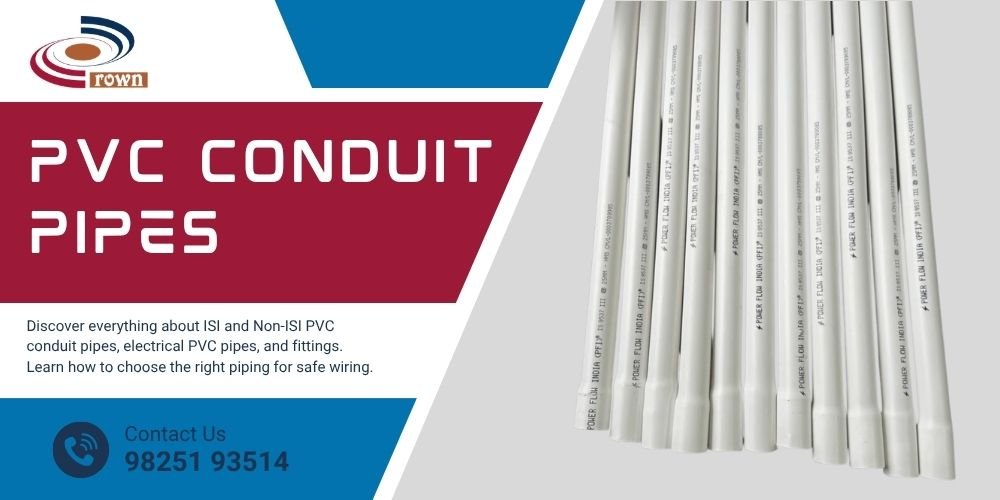
- Concealed Slab Wiring: Heavy-duty ISI-marked PVC conduit pipes provide lifetime protection inside concrete floors and load-bearing walls. Learn more about material grades in our Complete Guide to PVC Conduit Pipes: Types, Applications & Why ISI Certification Matters.
- Office Interiors & Renovations: For surface-mounted wiring running across finished walls or skirting boards, utilizing sleek PVC casing capping ensures a clean aesthetic with zero masonry damage.
- Riser Shafts & Server Rooms: High-density cable clusters running vertically between floors require structured PVC ducts and high-tensile Nylon Cable Ties to prevent strain on main distribution boards.
- Joint & Junction Protection: Ensuring every corner and transition remains sealed against moisture and dust requires precision-molded Electrical PVC Pipe Fittings & Cable Accessories.
Best Practices for Commercial Conduit Installation
- Implement Circuit Separation: Maintain strict physical separation between main power feeds, lighting circuits, and low-voltage data cables within multi-channel trunking to eliminate signal cross-talk.
- Allow Thermal Expansion: Include expansion couplings on long conduit runs across building expansion joints to accommodate thermal movement without stress fractures.
- Partner with Factory-Direct Manufacturers: Sourcing directly from an established manufacturer, supplier, and exporter guarantees uniform material specifications and verified test certifications across large order volumes.
Conclusion
Building safe, future-proof commercial real estate requires uncompromised attention to electrical infrastructure details. By pairing certified heavy-duty PVC conduits with modern cable management accessories, property developers guarantee long-term safety, regulatory compliance, and operational reliability.
Ready to secure your commercial project with certified materials?
Partner with a globally trusted manufacturer, supplier, and exporter. Explore our comprehensive range of Electrical PVC Conduit Pipes and Commercial Cable Management Systems and contact our commercial projects team today for technical datasheets and bulk procurement quotes.