Modern agriculture demands reliable, high-efficiency water management systems to maximize crop yields while minimizing resource waste. Whether designing a large-scale drip irrigation network, underground mainlines, or open-field sprinkler systems, the longevity of your water infrastructure depends entirely on the quality of the piping network.
As a trusted manufacturer, supplier, and exporter, Crown Industries engineers robust polymer solutions tailored specifically to endure harsh outdoor conditions, soil pressure, and intense UV exposure.
The Critical Role of Quality Piping in Agricultural Irrigation
Farm irrigation lines operate under rigorous conditions. Unlike indoor plumbing, agricultural networks are exposed to shifting soil, mechanical loads from heavy farm machinery, and blistering seasonal heat. Investing in certified piping delivers distinct advantages:
- Pressure Tolerance: Managing water flow over long distances requires pipes that can handle consistent high PSI levels without expanding, cracking, or bursting at the joints.
- UV and Weather Resistance: Above-ground lines exposed to direct sunlight require specialized UV-stabilized compounds to prevent polymer degradation and brittleness over time.
- Corrosion-Free Flow: Smooth internal bores prevent mineral buildup and scaling, ensuring that water flow rates remain optimal year after year.
To understand the core material differences between rigid and flexible pressure solutions, explore our detailed comparative guide on HDPE vs. UPVC Pipes: Choosing the Right Pressure Piping for Water Supply.
Choosing Between PVC Pressure Pipes and HDPE for Farm Layouts
Different sections of an agricultural irrigation grid require specific material characteristics:
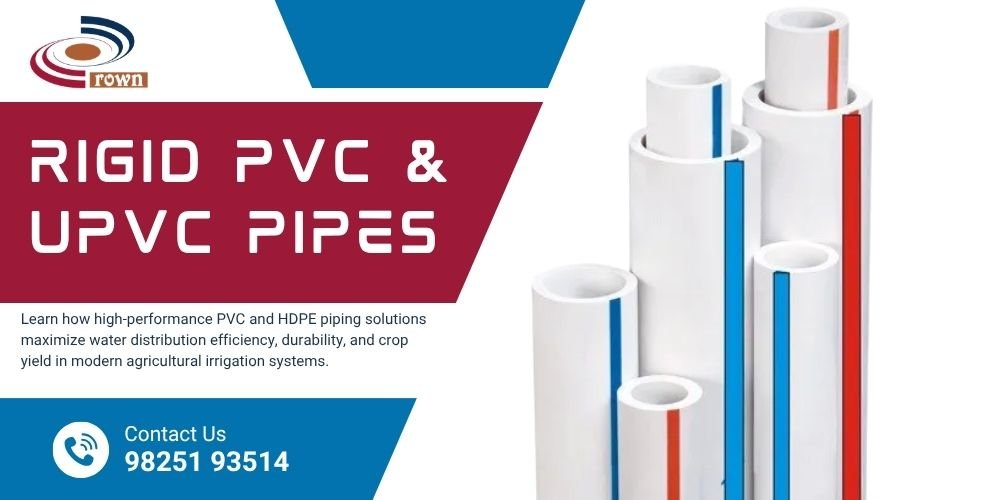
- Rigid Mainlines (UPVC Pressure Pipes): Ideal for primary underground distribution lines and riser columns where rigidity, high-pressure ratings, and cost-efficiency are paramount.
- Flexible Sub-Mains (HDPE Pipes): Perfect for uneven terrain, rolling fields, and sub-surface layouts. The flexibility of HDPE allows it to absorb ground shifts and water hammer shocks without failing.
- Comprehensive Protection and Fastening: Maintaining secure connections across pump houses and valve stations requires heavy-duty Electrical PVC Pipe Fittings & Cable Accessories and secure Nylon Cable Ties for control wiring.
Best Practices for Agricultural Piping Installation
- Proper Trench Bedding: Lay underground pipes on a smooth, compacted bed free of sharp rocks to prevent localized puncturing under heavy surface loads.
- Thermal Expansion Allowance: Account for temperature variations during installation, particularly for above-ground runs, allowing slight movement margins at joints.
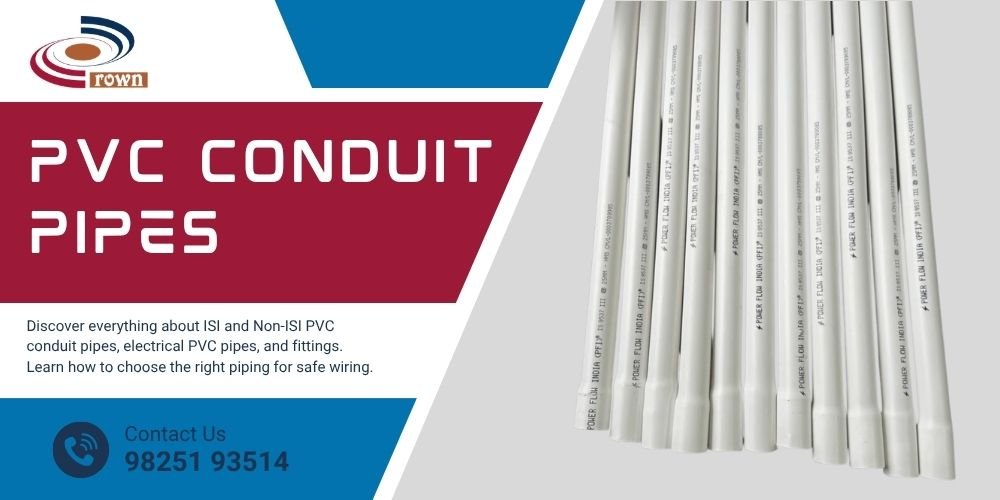
- Certified Quality Sourcing: Always prioritize industrial-grade piping that meets stringent manufacturing benchmarks, ensuring compliance with standards similar to our ISI vs. Non-ISI PVC Conduit Pipes: Choosing the Right Standard for Industrial Safety.
Conclusion
Efficient water distribution is the lifeblood of modern farming. By integrating durable, high-pressure PVC and HDPE piping networks into your agricultural projects, you minimize maintenance downtime, prevent water loss, and ensure long-term operational success.
Ready to upgrade your irrigation infrastructure with factory-direct solutions?
Partner with a globally trusted manufacturer, supplier, and exporter. Explore our comprehensive range of Rigid PVC Pressure Pipes and HDPE Water Solutions and contact our export team today for bulk agricultural orders and custom specifications.