When establishing infrastructure for potable water supply, irrigation, or industrial fluid transfer, the choice of piping material is critical. The system must withstand varying pressure levels, resist environmental corrosion, and maintain water quality over decades.
In modern plumbing, two materials dominate the market for pressure applications: HDPE (High-Density Polyethylene) and UPVC (Unplasticized Polyvinyl Chloride). While both offer significant advantages over traditional metal piping, they possess unique properties suited for different operational requirements.
Understanding these differences is key to building a reliable and cost-effective water management system.
Understanding UPVC Pipes (Unplasticized PVC)
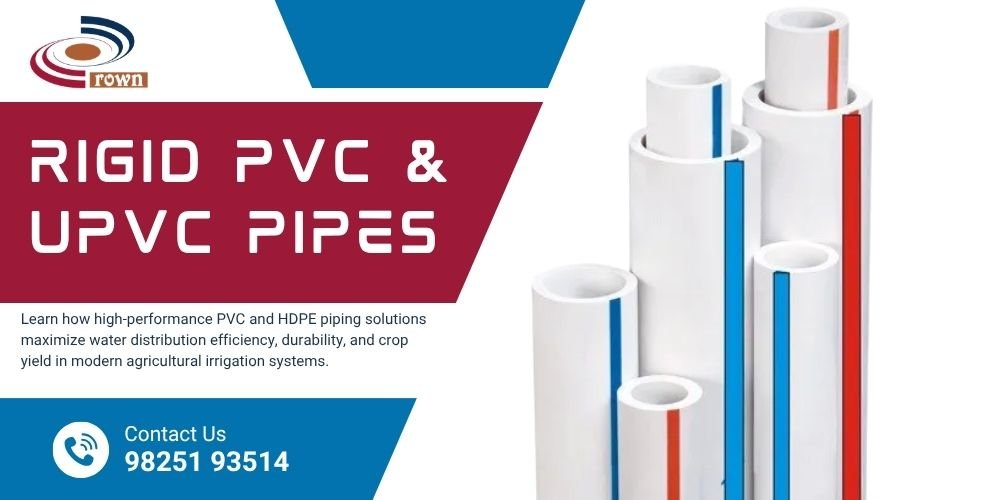
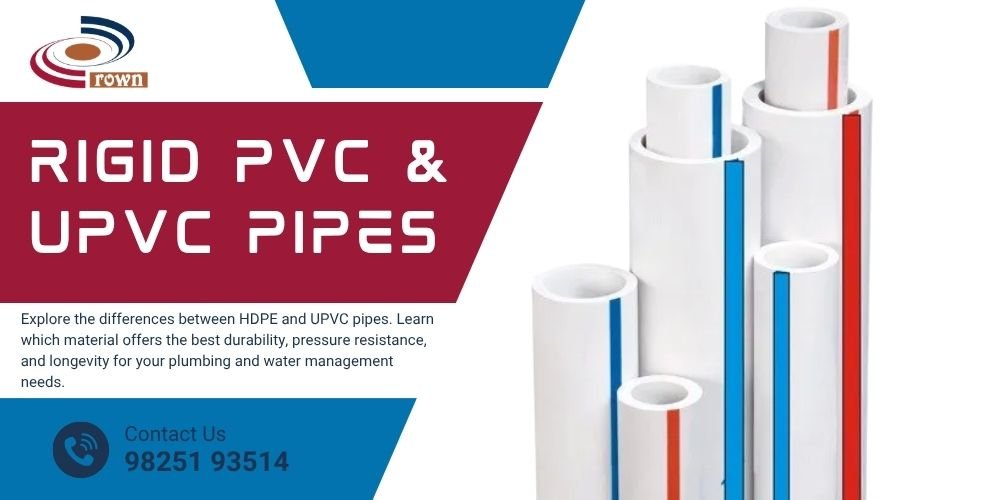
UPVC has long been the standard for cold water plumbing in residential and commercial buildings. Because the material is “unplasticized“—meaning no softening agents are added during manufacturing—it is rigid, strong, and highly resistant to deformation.
Key Advantages of UPVC:
- High Pressure Rating: Excellent tensile strength makes UPVC pressure pipes ideal for high-rise water supply and main distribution lines.
- Corrosion Resistance: Like electrical PVC conduit, UPVC is completely inert to electrochemical corrosion, rust, and soil chemicals.
- Cost-Effective: Generally, UPVC offers a lower material and installation cost compared to HDPE for similar pressure classes.
- Smooth Bore: The mirror-smooth internal surface prevents scaling and ensures maximum flow rates.
Understanding HDPE Pipes (High-Density Polyethylene)
HDPE is the modern workhorse for robust, flexible piping solutions. Known for its incredible toughness and chemical inertness, it is the preferred choice for demanding environments, including underground municipal installations, agricultural irrigation across uneven terrain, and industrial slurry lines.
Key Advantages of HDPE:
- Flexibility and Durability: HDPE pipes can bend without cracking. This flexibility makes them highly resistant to seismic activity, ground shifts, and fatigue from pressure surges (water hammer).
- Leak-Proof Joints: HDPE sections are typically joined via heat fusion, creating a monolithic, homogeneous system that is stronger than the pipe itself, eliminating potential leak points at joints.
- Weather Resistance: HDPE contains carbon black additives, making it highly resistant to UV radiation for long-term outdoor above-ground use.
Making the Choice: HDPE or UPVC?
The “better” pipe depends entirely on the application requirements:
- For building plumbing and high-pressure risers: UPVC pipes are usually the superior choice due to their rigidity, high-pressure tolerance, and cost-efficiency in vertical installations.
- For underground mainlines, rugged terrain, and areas prone to ground movement: The flexibility and fused joint integrity of HDPE pipes offer unmatched reliability and longevity.
- For agricultural irrigation: While UPVC is used for mainlines, HDPE’s flexibility allows it to follow field contours easily, making it highly adaptable for farm setups.
Conclusion
Need assistance deciding which piping solution fits your project specifications?
Crown Industries manufactures a comprehensive range of high-performance Rigid PVC Pressure Pipes and flexible HDPE Piping Solutions. Contact our technical team today for expert consultation and project quoting.